
Listening Where Waves Meet Engines
Join us as we explore human noise and its effects on seabird colony soundscapes near shipping lanes. From rumbling hulls to hissing propellers, we will listen for what disappears, what persists, and how colonies adapt or struggle. Expect field notes, science, and heartfelt observations gathered at cliff rookeries and harbor approaches, revealing how daily ship traffic rewrites coastal acoustics, parenting cues, and survival strategies, and offering practical ways to protect breeding seasons without silencing commerce or coastal livelihoods.
Dawn Chorus Above the Tide
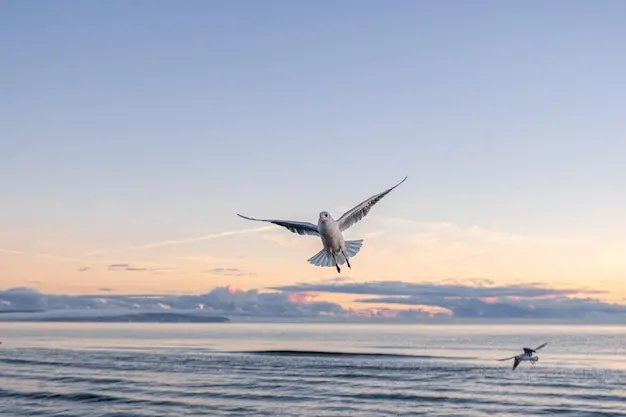
At first light, low swells lift kelp while cliff faces glow, and thousands of calls braid into a chorus that stretches from waterline to cloud base. Parents announce returns, chicks respond with pitch signatures, and neighboring pairs negotiate space without fists, only sound.
Acoustic Niches and Social Cues
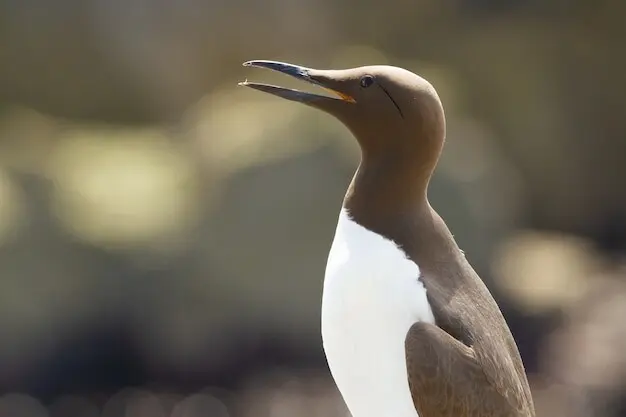
Different species choose distinct slices of space, time, and frequency, the way lanterns spread along a pier without blinding one another. Puffins use burrow-close murmurs, terns fire staccato arcs overhead, while guillemots occupy midair corridors, keeping messages legible despite wind, spray, and cliff echoes.
How Ships Reshape the Air and Water with Sound
{{SECTION_SUBTITLE}}
Cavitation: The Bubble Storm Beneath Hulls
When a screw turns fast, pressure drops and vapor bubbles burst, hammering water with broadband energy that peaks between twenty and three hundred hertz. Those pulses reflect from seafloors, slip around headlands, and create acoustic fog that masks chick begging, reunion calls, and alarm notes.
Harbor Approaches and Lane Geometry
Traffic funnels toward predictable gates. Channel walls, breakwaters, and embankments work like megaphones, concentrating noise during tide changes and pilot transfers. Colonies perched near these corridors endure repeated surges that arrive with striking regularity, erasing fine details birds need for nest recognition and coordination.
Masked Calls and Missed Meals
Begging calls that once pierced surf now drown under throbbing tones, so returning adults overshoot or respond to the wrong signals. Even brief confusion adds minutes to each delivery, compounding across hundreds of trips until chicks face caloric deficits during cold spells or storms.
Stress, Vigilance, and Energy Budgets
Persistent low frequencies keep colonies on edge, elevating heart rates and compressing rest. Birds spend more time scanning and less time preening, repairing plumage, or sheltering chicks from sun. Over a season, this constant tax reduces breeding success even when food is plentiful offshore.
Stories from Busy Sea Lanes
Field seasons along crowded coasts reveal contrasts that numbers alone cannot hold. In some rookeries, the calendar of arrivals follows tide tables and shipping schedules; in others, small reroutes changed everything. These snapshots share specific places, names, and lessons drawn alongside salt-crusted microphones.
Listening, Measuring, and Making Sense
A blended array—underwater hydrophones for low rumbles, shore microphones for aerial chatter, and parabolic dishes for distant cliffs—captures the full conversation. Battery swaps, windshields, synchronized clocks, and careful placement near paths, nests, and waterlines keep data clean while minimizing disturbance during sensitive nesting windows.
Visualizing time against frequency lets us see when engines smear the soundscape, how calls shift upward, and whether colonies compress syllables to survive masking. Peaks, harmonics, and gaps read like tides, guiding comparisons across seasons, ports, and species with empathy as much as rigor.
Ferries, beaches, and bluffs are near many readers. With simple recorders or phones shielded from wind, you can document change, tag vessels, and share files through open repositories. Subscribe, comment, and collaborate so localized snapshots knit into coast-wide awareness and practical, respectful solutions.
Paths Toward Quieter Coasts
Progress does not demand silence; it asks for intention. Ship maintenance reduces cavitation, routing avoids breeding hotspots, and speed reductions calm low frequencies. Port authorities, pilots, and shippers can coordinate with colonies’ calendars, honoring migrations and hatching peaks while keeping trade resilient, efficient, and safer for crews.
All Rights Reserved.